Taxonomy
The Crisis of Undescribed Victorian Haplochromines
Hundreds of distinct Lake Victoria haplochromine lineages have never been formally described. The reasons are historical, structural, and still unresolved.
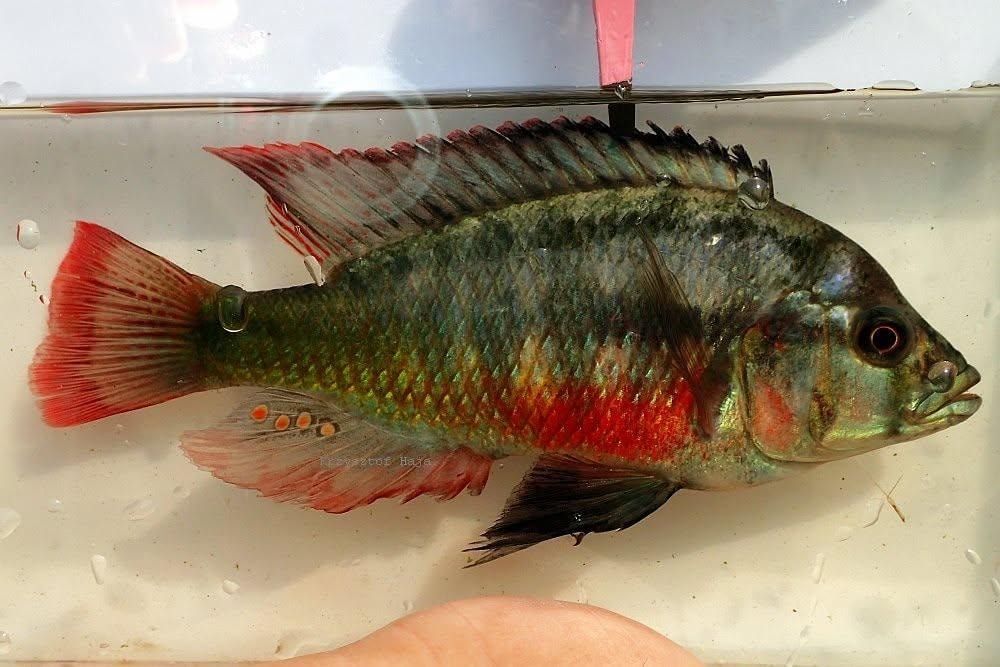
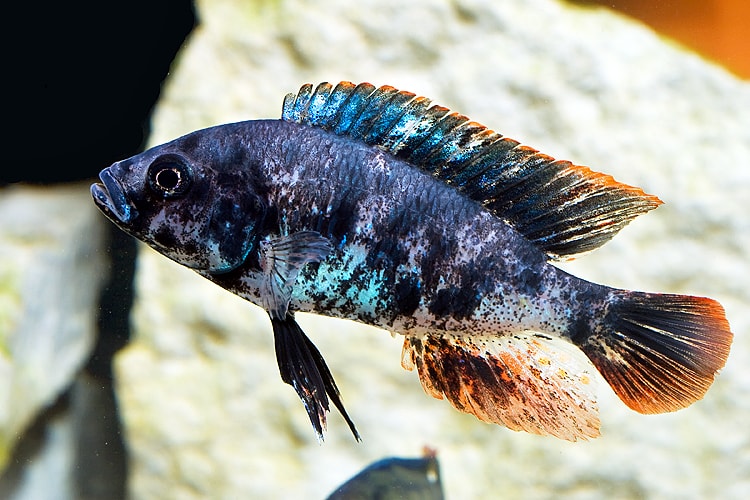
The Lake Victoria haplochromine radiation contains hundreds of distinct lineages. Only a fraction of them have ever been formally described. This is not because the fauna is unknown. It is because the conditions required for formal description were never met for most species — and the conditions that might have created them were destroyed before they could.
What Taxonomists Actually Do
Taxonomists are not name makers. They are evidence builders. Their work is slow, meticulous, and foundational. A taxonomist's job is to create the permanent scientific identity of a species. That identity must be stable, defensible, and anchored in physical reality.
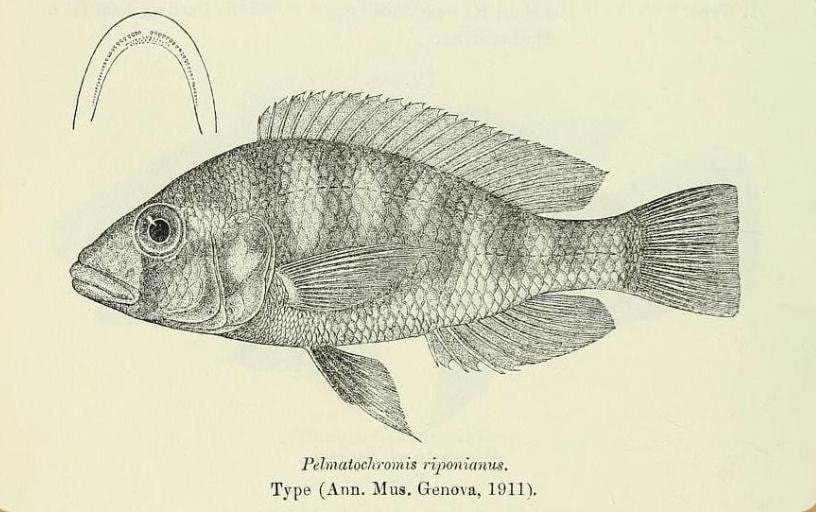
A taxonomist must examine large series of specimens to understand variation. They must identify characters that reliably separate one lineage from another, compare new material with all previously described species, designate a type specimen that becomes the permanent reference point, write a diagnosis that states exactly how the species differs from others, publish the description in a way that meets the rules of zoological nomenclature, and deposit the type material in a museum where it will remain accessible forever.
This is not optional. It is the legal and scientific framework that allows species names to be stable and meaningful.
A taxonomist is responsible for the identity of a species for all future science. If they get it wrong, every ecological, evolutionary, or conservation study built on that name becomes unstable. This is why taxonomy is slow. It must be slow. It is the foundation of everything else.
Why So Few Victorian Endemics Have Ever Been Described
The reasons are historical and structural, and they compound one another.
The radiation is extremely young. Many species differ in behavior, diet, breeding color, and microhabitat, but only subtly in morphology. Traditional taxonomy depends on morphology. When differences are subtle, taxonomists need large series of specimens from many locations. Those series were never collected for most Victorian taxa.
The collapse happened before documentation. The Nile perch explosion reduced haplochromine abundance so quickly that taxonomists lost access to fresh material. The western arc refugia preserved guilds and lineages, but they were not sampled in time for formal description. The myth of mass extinction then discouraged further work — if the fauna was gone, there was nothing left to describe.
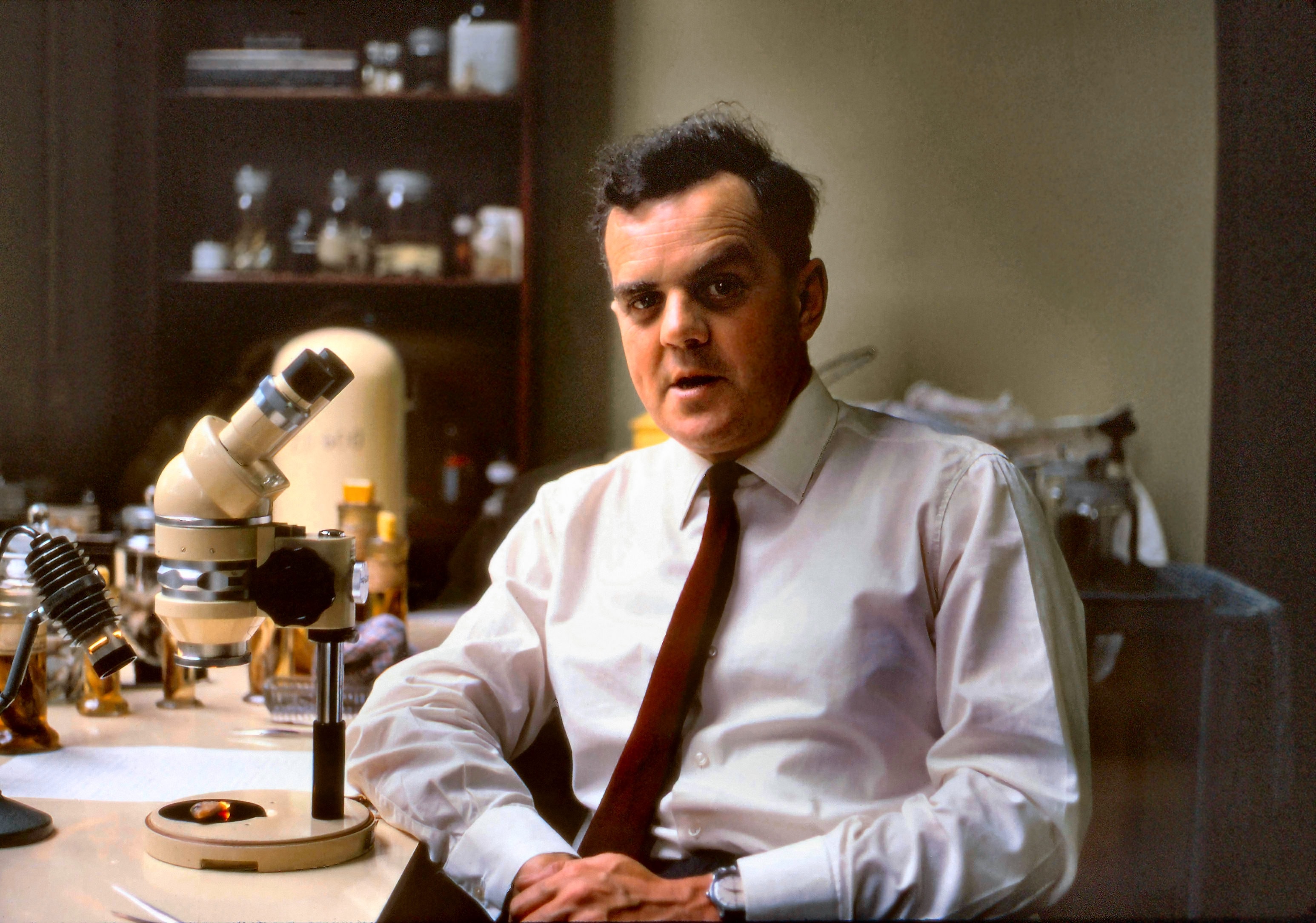
Greenwood was one person. For decades, one taxonomist carried the entire Victorian fauna. P. Humphry Greenwood did extraordinary work, producing a body of descriptive monographs that remains foundational to the field. But no single person could describe hundreds of species. After his death, the system lost its central authority, and no large-scale revision replaced him.
The genus Haplochromis became a taxonomic bottleneck. It was used as a catchall for nearly everything in the radiation. Without clear substructure, describing new species became difficult. Diagnoses were hard to write. Comparisons were overwhelming. The framework was not built to handle the diversity it was being asked to contain.
Hobby lineages were never integrated into science. Exporters and aquarists preserved many lineages that scientists assumed were gone. But hobby fish rarely have type specimens, locality vouchers, or museum deposition. Without those, formal description is impossible. The knowledge exists in living rooms and fish rooms across Europe and North America. It does not exist in the literature.
The result is a radiation with hundreds of distinct lineages but only a few dozen valid names.
Why Genomics Cannot Replace Taxonomy
Genomics is powerful. It reveals relationships, divergence, introgression, and population structure. It can show that two lineages are distinct even when morphology is subtle. It can reconstruct evolutionary history with extraordinary resolution.
But genomics cannot do the one thing taxonomy must do.
Genomics cannot create a species name.
A species name requires a type specimen, a diagnosis, a published description, and a stable reference point for all future science. Genomics can support taxonomy, but it cannot replace it. A genome without a name is a data point. A name without a genome is still a species. The two fields are complementary, not interchangeable.
Modern biology rewards speed, scale, and large datasets. Genomics provides all three. It attracts funding, graduate students, and institutional support. Taxonomy does not. Taxonomy requires time, patience, and museum work. It is slow and often undervalued.
The result is a scientific landscape where many researchers study Victorian cichlids, few of them are trained taxonomists, and almost none are producing formal descriptions. Genomic papers proliferate. The number of valid species names does not increase.
This leaves a hole in our understanding. We have data about relationships, but not identities. We have phylogenies, but not species. We have clusters, but not names. We have lineages, but no formal framework to anchor them.
What the Hobby Preserves
The aquarium hobby has maintained populations of undescribed Victorian haplochromines for decades — fish that have not been seen in the lake for years, held in living collections by keepers who know them only by informal trade names because no formal description exists to give them a proper identity.
This is not a trivial contribution. The morphological and behavioral data accumulated by serious keepers represents a genuine scientific resource. Photographs of living fish in breeding coloration, observations of spawning behavior, records of dietary preferences and habitat use — these are exactly the kinds of data that complement museum specimens and field surveys.
The challenge is that this knowledge is dispersed, informal, and at risk of being lost. Keepers age out of the hobby. Collections are dispersed. Photographs are stored on aging hard drives. The institutional memory of what was kept, where it came from, and what it looked like in life is fragile in ways that museum collections are not.
This is why our work matters. We are preserving the historical and biological continuity that taxonomy will need when the field eventually returns to the Victorian radiation.