Commentary
The Predator Radiation: A Synthesis
The piscivores and the paedophages were never two separate tragedies. They are two halves of the same structure — and their survival in the same refugia proves that the base of the lake remains intact.
This article links the two predator guilds together. If you have not yet read the piscivore and paedophage articles, you may want to begin there. This synthesis explains how both guilds persisted in the same refugia and why their survival proves that the base of the lake remains intact.
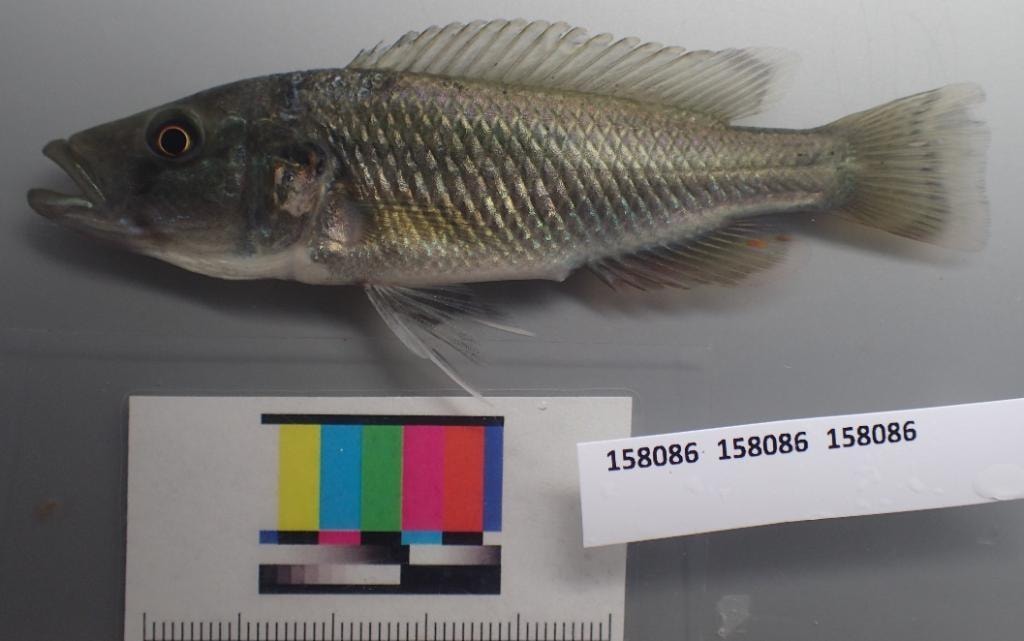
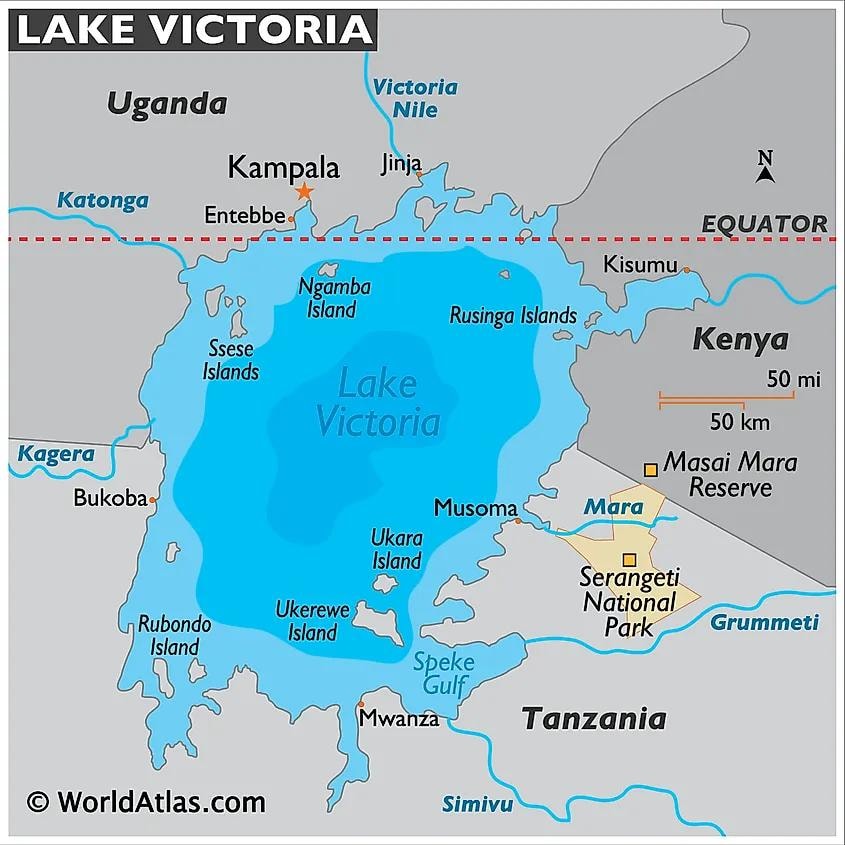
When the Lakewide Survey teams worked the western shoreline in 2017 and 2018, they pulled seventeen apex specialists out of the seines. At first glance it looked like a miracle. These were the hunters that were supposed to have vanished. They were the ghosts of the old lake, the last representatives of the most demanding guilds in the entire Victorian radiation. Their presence seemed impossible.
But the truth is simpler and far more interesting. Apex predators do not appear in isolation. They are not self-sustaining. They are not independent of the world beneath them. Every piscivore and every paedophage is a biological statement about the structure of the ecosystem that supports it. If you see the hunters, you are seeing the shadow of the prey. If you see the specialists, you are seeing the outline of the generalists. The predators are only the visible crest of a much larger and hidden universe below.
The math makes this unavoidable. Once you understand the energy requirements of the predator guild, the reproductive demands of the paedophage guild, and the scaling laws that govern complex food webs, the conclusion becomes inescapable. The western shoreline cannot produce seventeen apex specialists unless the base of the system is enormous, diverse, and thriving. The predators are the proof of the prey.
What follows is the ecological logic that makes this clear.
The Piscivore Guild and the Ten to One Rule
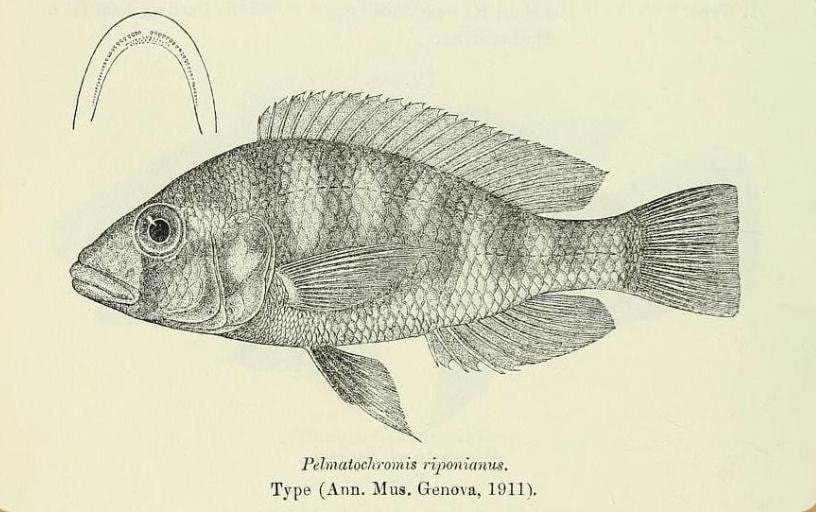
The standard piscivores — the Harpagachromis and the guiarti types — live at the top of a classic trophic pyramid. Their world is shaped by Lindeman's efficiency law, which tells us that only a tenth of the energy in one trophic level can support the level above it. For every kilogram of adult piscivore, the lake must carry at least ten kilograms of prey fish.
This would be simple if the predator guild consisted of one species. But it does not. It contains twelve distinct hunting strategies, ranging from open water pursuit to soft mud ambush. To keep these predators from collapsing into direct competition, the prey base must be enormous and diverse. It must include detritivores, zooplanktivores, and insectivores spread across sand, rock, mud, and vegetation. A single baitfish lineage cannot support twelve predators. Only a broad and abundant guild of small haplochromines can.
Complex food webs do not scale in a straight line. Predator biomass grows more slowly than prey biomass, following a three-quarter power curve. This sub-linear scaling means that the more predators you have, the more diverse and abundant the prey community must be. The presence of twelve piscivores is not a curiosity. It is a measurement of the size of the prey universe beneath them.
The Paedophage Guild and the Hundred to One Rule
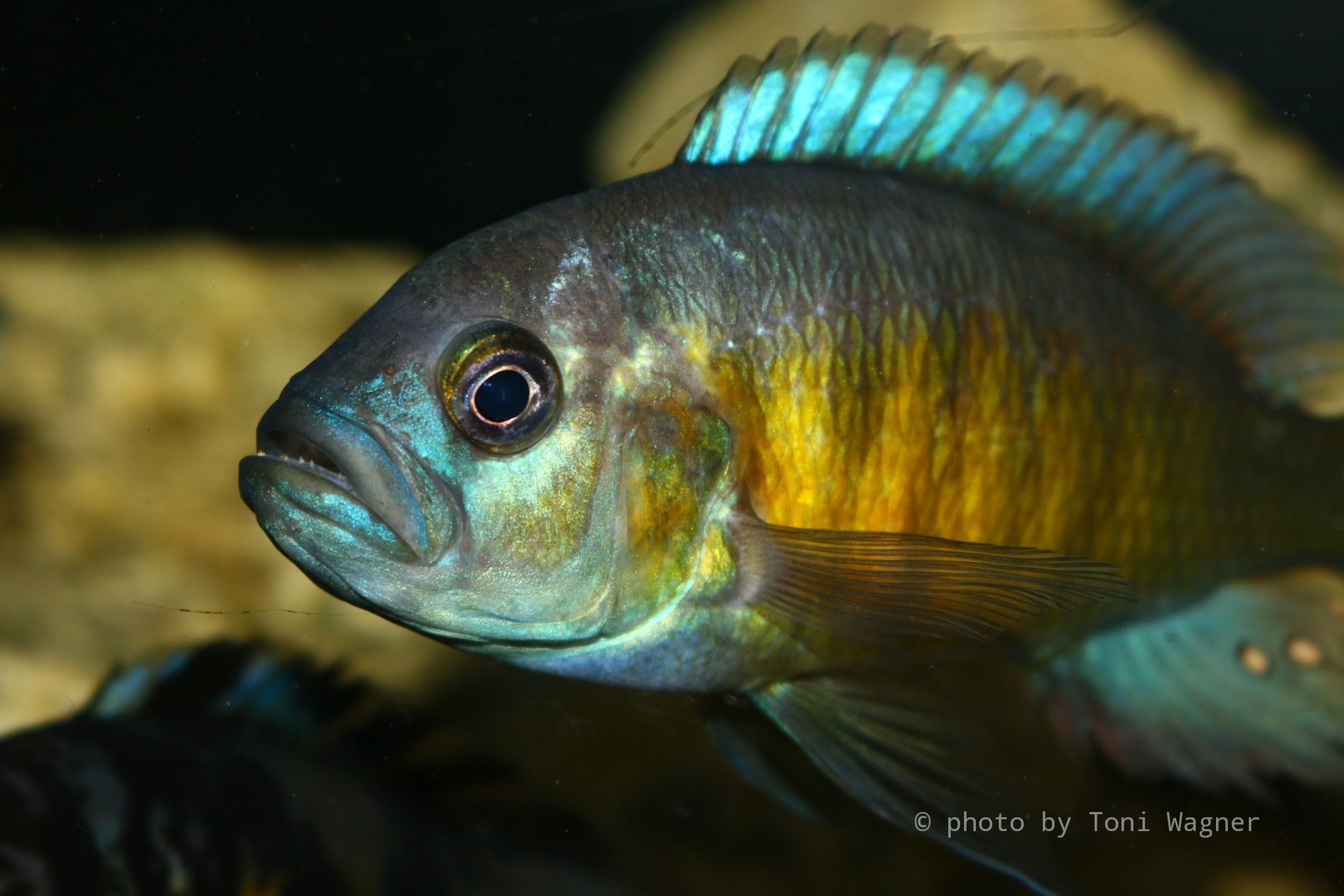
The paedophages push this logic even further. They do not feed on adult fish. They feed on reproduction itself. Their entire existence depends on the moment when a brooding female opens her mouth and releases a clutch of eggs or fry. A typical clutch contains only twenty to eighty young. A paedophage must strike many brooding females to meet its energy needs. It cannot survive on occasional opportunities. It requires a constant background of spawning generalists.
To support five species of paedophages, each with its own method of stealing eggs or snatching fry, the lake must maintain hundreds of brooding females for every paedophage. The functional ratio is on the order of one hundred to one. If the spawning guild falters, the paedophages collapse instantly.
The paedophages are therefore not just predators. They are indicators of reproductive abundance. Their presence proves that the nursery guild is operating at full strength.
The Meaning of the Numbers
When you combine these two systems, the picture becomes clear. The predator guild documented in the 2017 and 2018 Lakewide Survey represents only five to eight percent of the total fish biomass along that western shoreline. For seventeen apex specialists to appear in the seines, the unseen world beneath them must be immense. It must resemble the lake before the collapse. It must be filled with detritivores and zooplanktivores, turning over rapidly, reproducing constantly, and feeding the hunters above them.
This is the conceptual punchline. You cannot have seventeen ghosts at the top unless there is a thriving universe at the bottom. The predators are only the visible tip of an enormous, living structure. Their presence proves that the base is still there, still functioning, still abundant, and still capable of supporting the most demanding specialists in the lake.
The predators recovered in the 2017 and 2018 survey are not isolated survivors. They are the visible crest of a structure that reaches downward into the reproductive guild and outward into every prey community that sustained them. Their persistence makes sense only when seen alongside the pursuit hunters of the piscivore guild and the reproductive specialists of the paedophage guild. Together, these three accounts form a single story: the refugia that sheltered the hunters also sheltered the brooding females, and the brooding females sustained the predators that depended on them. Readers who wish to follow the full arc of this narrative — from the midwater pursuit forms to the reproductive parasites that anchor the lake's evolutionary engine — will find the companion articles on the piscivores and paedophages linked below.